
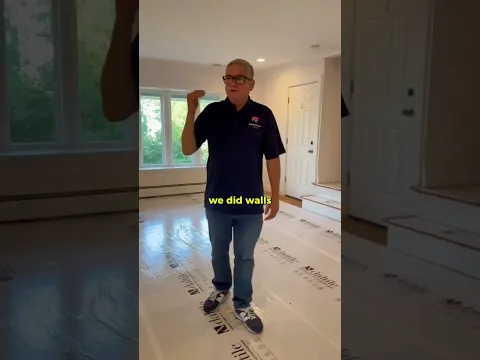
Watch our interior painting work
Interior Painting Reading MA & Trusted House Painters
Interior painting in Reading, MA done right starts with a crew that treats your home like finish work, not a rushed weekend coat. Premium Pro Contractors is a family-run, licensed and insured general contractor that paints Reading's colonials, capes and center-entrance homes room by room, with real prep, premium paint and one accountable contractor from the first estimate to the final walkthrough. If you have been searching for house painters in Reading, MA who show up on time, protect your home and leave crisp lines instead of drips on the baseboard, that is exactly what we do. One clear price, one crew, no finger-pointing between trades. Your written estimate is free.
Why winter is the best time to paint inside
Claudiney Fernandes, owner of Premium Pro Contractors, explains why homeowners in Reading book interior painting in the colder months: easier scheduling, the house ready before the holidays and a fresh home for spring.
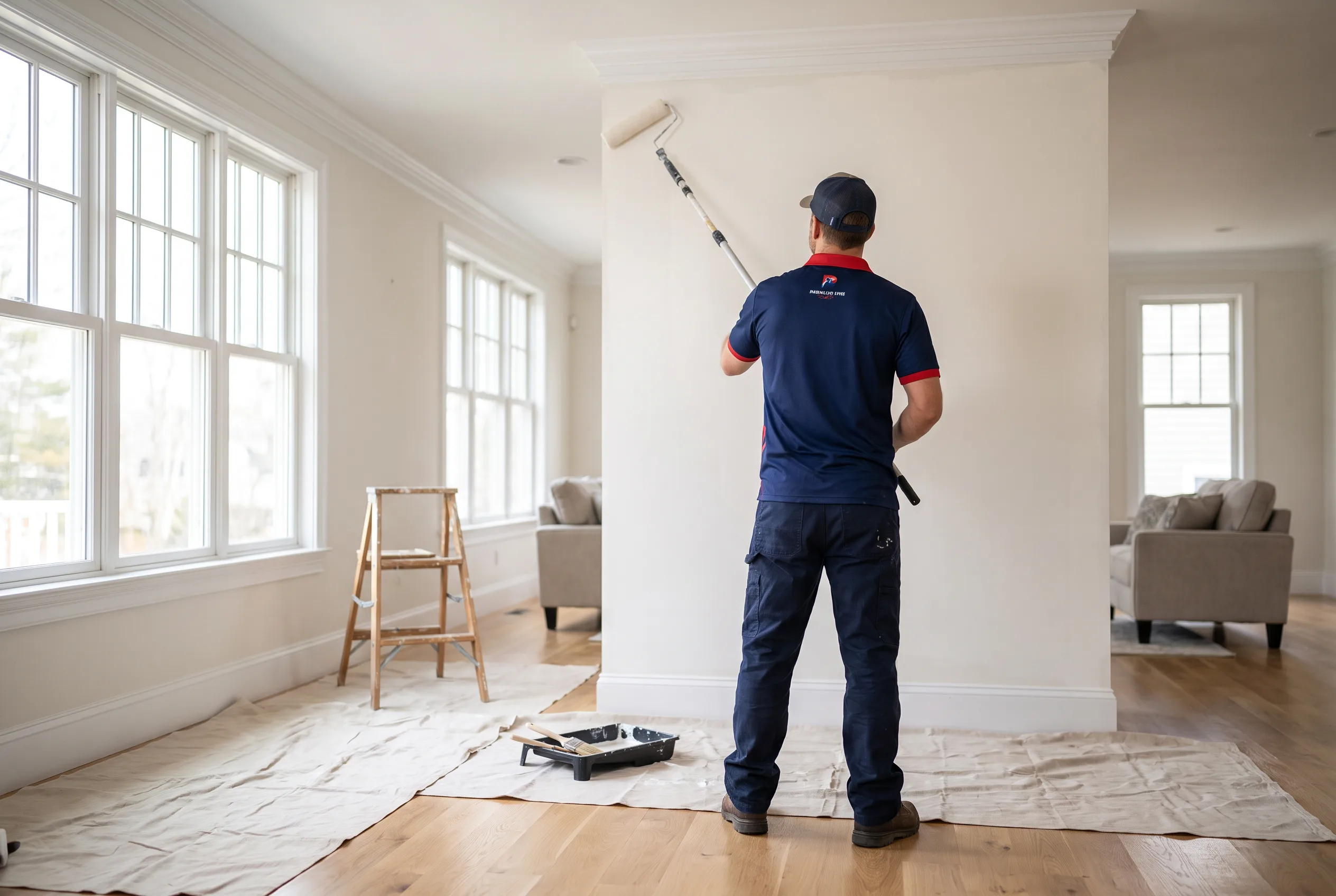
House Painters Who Know Reading Homes

Reading is a settled, family town northwest of Peabody, full of Colonial Revival and Cape-style homes, four-square colonials near the center, and mid-century capes and ranches in the neighborhoods off Main Street and West Street. These are not builder-grade boxes with flat drywall in every room. Many have plaster walls, real trim, deep baseboards and older stairwells that take patience to paint well. We treat that character as something to protect, filling, sanding and caulking before we cut in so the trim reads sharp and the old plaster does not telegraph every past patch through the fresh color. A rushed interior job shows in Reading fast, and a careful one is what earns the referral to the next street over.
What Interior Painting in Reading Actually Involves
Interior painting is more than color on a wall. On a Reading home the work usually includes moving or masking furniture, protecting floors and fixtures, filling nail holes and cracks, sanding and spot-priming, caulking trim gaps, and cutting clean lines between walls, ceilings and woodwork before the finish coats go on. Where plaster walls have hairline cracks or soft spots, we address them first so the paint sits on a sound surface. Because we are a full general contractor, if a room needs minor trim or drywall repair before it can be painted, our crew handles it on the same schedule instead of sending you to find another trade. That is the difference between a coat that looks good on day one and one that still looks right years later.
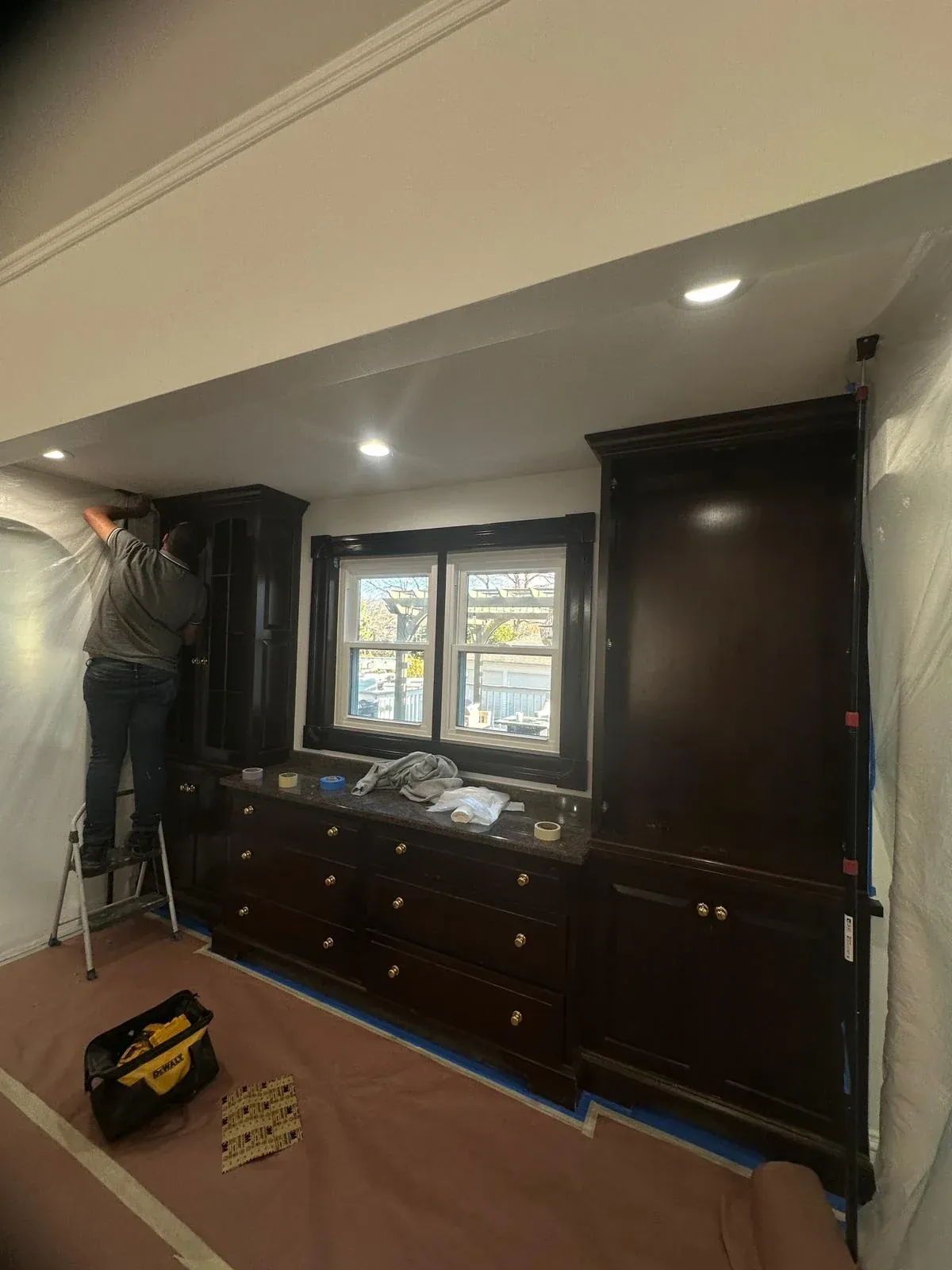
Real interior work by our crew


Rooms and Surfaces We Paint
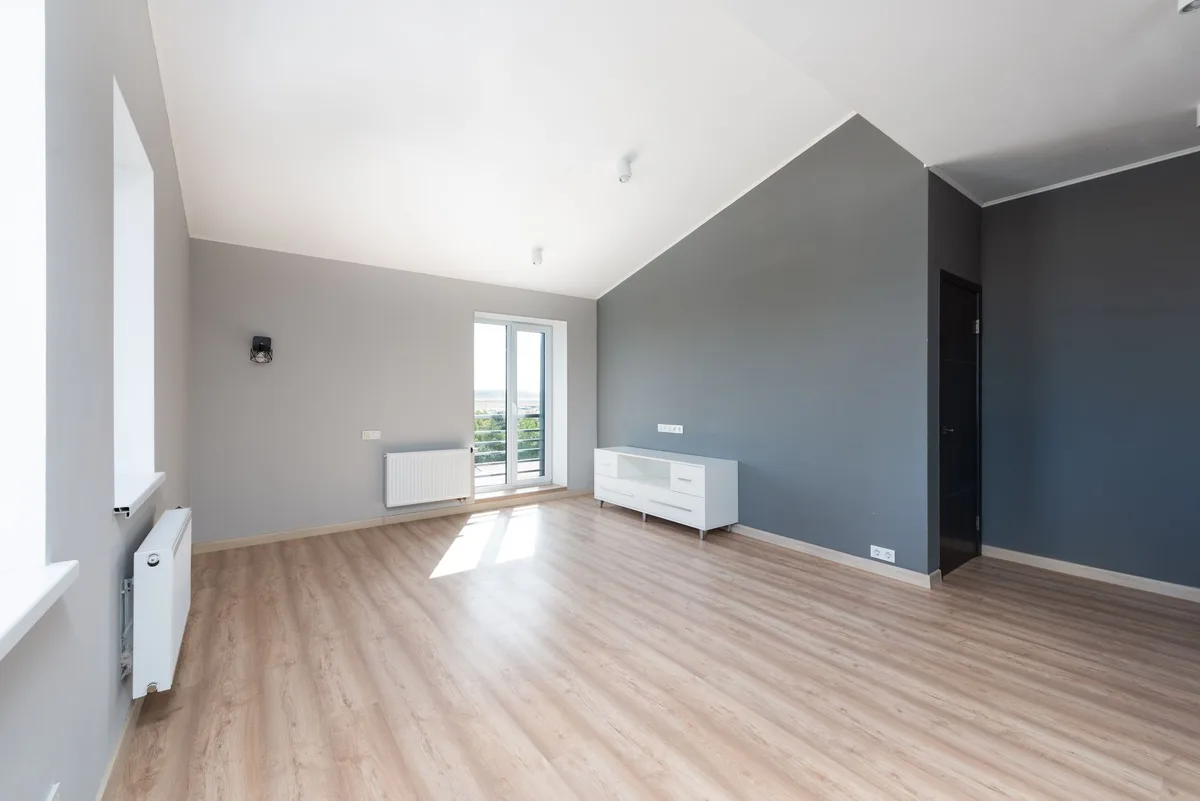
- Living rooms, family rooms, bedrooms and home offices
- Kitchens, dining rooms and mudrooms
- Ceilings, including flat and older textured ceilings
- Trim, baseboards, crown molding, wainscoting and casings
- Doors, closets and paneled interior doors
- Stairwells, hallways and two-story entry walls
- Basements, bonus rooms and finished attics
- Plaster repair, skim coating and crack patching as part of the same job
Our Interior Painting Process in Reading
- Walkthrough and estimate. We look at the real condition of your walls, ceilings and trim, talk through colors and finishes, flag any repairs the paint needs, and leave you a written, itemized estimate with no obligation.
- Protect and prep. Furniture is moved or masked, floors and fixtures are covered, and we fill, sand, caulk and spot-prime so the finish has a clean, sound surface to grip.
- Prime and paint. Bare and repaired areas are primed, then finish coats go on with the right product and sheen for each room. Clean cut-in lines, even coverage, no shortcuts.
- Walkthrough and cleanup. We walk the finished job with you, touch up anything you flag, and leave the space clean and ready to live in.
Prep Is Where the Job Is Won or Lost

Anyone can roll paint on a wall. What separates a lasting interior job from a disappointing one is the prep underneath it. On older Reading homes with plaster walls, that means patching cracks, skimming rough areas smooth, sanding glossy old trim so new paint bonds, and caulking the gaps where trim meets wall. Skip that and the new color will highlight every flaw instead of hiding it, and the trim paint will chip where it was never sanded. We take the slower, more careful road on prep because it is the only way a finish reads clean and holds up. It is also why our estimate is a real assessment of your home rather than a guess.
Paint and Finishes That Fit Each Room
Not every room wants the same paint. Kitchens, bathrooms and mudrooms take a scrubbable, moisture-tolerant finish. Living areas and bedrooms usually read best in a matte or eggshell that flatters the wall and hides minor imperfection. Trim and doors want a durable, harder finish that stands up to hands and cleaning. We help you match the right product and sheen to how each room is actually used, and we work with quality brands that go on smoothly and hold their color. If low-odor matters in your home, we can spec low-VOC and zero-VOC paints so a fresh coat does not mean days of fumes with kids or pets in the house.
Color Consultation for Your Reading Home
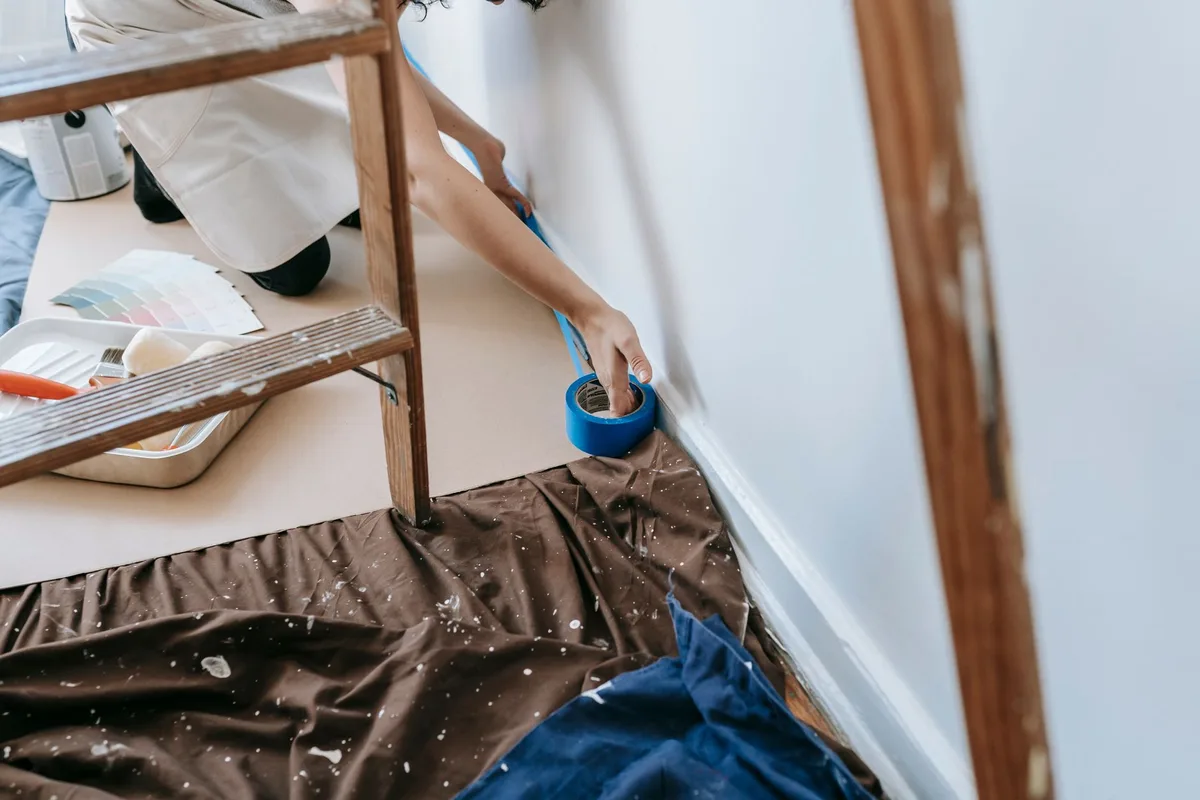
Choosing colors is where a lot of homeowners get stuck, and where a good painter earns their keep. Light changes a color through the day, a north-facing Reading bedroom reads cooler than a sun-filled south room, and a color that looks perfect on a chip can feel very different across a whole wall. We help you read your home's light, test large samples on your actual walls, and land a palette that flows room to room instead of fighting itself. We color-match from any chip, brand or existing detail, so if you love a color you already have, we can carry it forward exactly.
Low-VOC and Family-Safe Paint Options
Fresh paint should not mean clearing the house for a week. We offer low-VOC and zero-VOC interior paints and primers from quality brands that go on with far less smell and clear the air faster, without giving up durability or coverage. We can stage the work to keep occupied rooms comfortable, ventilate properly, and plan the job so your family and pets can stay in the home while we paint. If low-odor, family-safe products matter to you, tell us at the estimate and we will build the whole job around them.
What Interior Painting Costs in Reading
Every home is different, so treat these as planning ranges, not quotes. Your free written estimate reflects the real condition and size of your rooms.
| Scope | Best when | Typical Reading range |
|---|---|---|
| Single room (bedroom, office) | Walls, ceiling and trim, light prep | From $1,200 |
| A few rooms | Living areas plus hallway, moderate prep | From $1,200 per room |
| Full interior | Whole home, multiple rooms and stairwells | Priced room by room |
| Trim and doors only | Refresh woodwork without full walls | $1,500 to $4,000 |
Rooms with heavy plaster repair, tall stairwells or detailed trim sit at the top of these ranges. Your written estimate is free and itemized, so the scope and price are clear before we begin.
Painting Reading's Colonials and Capes
The housing stock in Reading rewards a crew that understands older homes. Center-entrance colonials have symmetrical rooms, real trim and staircases that demand clean lines. Capes and expanded capes often have angled ceilings, dormers and finished attic spaces that are tricky to cut in. Mid-century ranches near West Street and the neighborhoods off Franklin Street tend to have long wall runs and open layouts where consistency of coverage matters. We adjust our approach to the house in front of us rather than painting every home the same way, and that is a big part of why our interior work in Reading turns into referrals.
One Accountable Crew, Not a Rotating Cast
A lot of interior jobs go sideways because the homeowner is left coordinating a painter, a handyman for the trim repair, and someone else for the plaster. As a general contractor, we carry those skills on one crew. If your Reading walls need patching, if a door has to be re-hung to close right, or if trim needs a small carpentry fix before it can be painted, the same accountable team handles it. You get one point of contact from the first estimate to the final walkthrough, one clear price, and no one blaming the other trade when something is off. Family-run, licensed and insured in Massachusetts.
How Long Interior Painting Takes in Reading
Most homeowners want to know how long their house will be in work mode before they book. For a few rooms, the job usually takes 2 to 4 days. A whole home interior is closer to 1 to 2 weeks, and kitchen cabinet painting is typically 3 to 5 days. The real number depends on how much prep the walls need, whether ceilings and trim are included, how many colors you choose and how many rooms we can open up at once.
We give you that schedule in writing with the estimate, before any work starts. On a multi-room job we usually work in a planned order, so the rooms you need most, like the kitchen or a bedroom, are back in use as early as possible. If we find something unexpected, such as a soft spot in a plaster ceiling or a door that will not close once the old paint is off, we tell you the same day and explain the fix and the effect on the schedule before we touch it. No surprises at the end of the week.
Plaster Walls in Older Reading Homes
Many Reading homes built before the 1950s still have their original plaster walls and ceilings. Plaster is solid and quiet, and it takes paint beautifully when it is prepared correctly. It also cracks, bulges where the keys behind it have let go, and shows every old repair under a fresh coat of paint if the prep is rushed.
Because we are a general contractor and not only a painting crew, plaster repair is part of the same job. We open and fill cracks so they do not telegraph back through the new finish, re-secure loose areas, skim coat sections that are too rough to paint, and prime repairs so the final coats dry to one even sheen. In homes that mix plaster with newer drywall from past renovations, we pay attention to the transition between the two, where most visible lines show up. The result is a wall that looks like it was always smooth, not a fresh color over old damage.
Lead-Safe Interior Painting for Homes Built Before 1978
If your Reading home was built before 1978, there is a real chance that some of the older layers of paint contain lead, especially on windows, doors, trim and stair parts. Lead paint is not a danger when it is intact and covered, but sanding, scraping or cutting it creates dust that is harmful, particularly to young children and pregnant women.
Federal rules from the EPA require contractors who disturb painted surfaces in pre-1978 homes to follow lead-safe work practices, and Massachusetts has its own lead law focused on homes where young children live. In practice, that means containing the work area, using methods that keep dust down, cleaning carefully at the end of each day and verifying the cleanup. When we walk through your home for the estimate, we ask about the age of the house and plan the prep around it, so older trim and windows get repainted safely instead of being sanded in the open. If you are not sure when your home was built, the town assessor records usually show it.
Ceilings: Water Stains, Cracks and Popcorn Texture
Ceilings are the surface homeowners notice last and the one that most changes how a room feels. A yellowed or patched ceiling makes fresh walls look tired. Painting a ceiling well takes more care than most people expect, because it is overhead, it shows lap marks in raking light and it often hides old problems.
Water stains from an old leak need a stain-blocking primer before any finish coat, or they bleed right back through new paint within weeks. Hairline cracks in plaster ceilings need to be opened, filled and primed. Popcorn or textured ceilings can be painted, repaired or, in some homes, removed and skim coated for a smooth finish, which is a bigger job that we price separately and explain in the estimate. We always confirm the source of any stain has been fixed before we cover it. Painting over an active leak only hides a problem that will come back.
Trim, Doors, Stair Rails and Built-Ins
Trim is where a paint job looks custom or looks rushed. Baseboards, window and door casings, crown molding, stair balusters and built-in shelves all take a harder finish than walls and show every drip and brush mark. In many Reading homes, the trim also carries decades of old paint layers that have softened the original profile.
We clean and degloss trim, fill nail holes and gaps, caulk joints where the trim meets the wall so the line is crisp, and apply a durable enamel finish that stands up to vacuums, shoes and kids. Doors are painted with care around hinges and hardware, and stair rails get extra prep because hands touch them every day. If a piece of trim is cracked, missing or pulled away from the wall, our crew can repair or replace it as part of the same project, which is one of the practical advantages of hiring a general contractor for interior painting.
Kitchen Cabinet Painting in Reading
If your kitchen layout works but the cabinets look dated, painting them is one of the most cost-effective upgrades in the house. As a North Shore guide, cabinet painting usually runs about $3,500 to $8,000, compared with a much larger investment for new cabinets, and the job typically takes 3 to 5 days.
Cabinet painting is not the same as wall painting. Doors and drawer fronts are removed and labeled, every surface is cleaned and degreased, sanded and primed with a bonding primer, and finished with a hard cabinet enamel so the paint does not chip at the edges. Boxes are painted in place with the kitchen protected. New hardware, soft-close hinges or a fresh color on an island can make the kitchen look remodeled without the cost and downtime of a full renovation. If you are planning a larger kitchen remodel, our team handles that too, so we can tell you honestly whether painting is the right call.
Bathrooms, Laundry Rooms and Other Damp Spaces
Bathrooms and laundry rooms are the hardest rooms on paint. Steam, splashes and poor ventilation lead to peeling, mildew spots and soft drywall around tubs and showers. A fresh coat of standard wall paint will not last long in those conditions.
In damp rooms we clean and treat any mildew before painting, repair damaged drywall, prime properly and use a moisture and mildew resistant paint in a finish that wipes clean. We also look at the cause: if the exhaust fan is weak or vents into the attic, or if caulk around the tub has failed, we point it out so the new paint is not fighting the same problem. Small details matter here, such as painting behind the toilet tank and inside the vanity opening, because those are the spots where moisture damage starts.
Basements and Finished Lower Levels
Many Reading families use a finished basement as a playroom, office or guest space. Lower levels tend to be darker and more humid than the rest of the house, so color and product choices matter. Lighter colors with a little warmth make a basement feel larger and less like a basement, and a washable finish handles kids, pets and storage.
Before painting a basement, we check for signs of moisture such as efflorescence on concrete, staining at the bottom of walls or a musty smell. Paint should never be used to cover an active water problem. On unfinished concrete walls and floors, we use products made for masonry and concrete instead of standard wall paint. If your basement needs more than paint, such as new drywall, trim or a full finishing project, our team can handle that work as well.
Stairwells, Vaulted Ceilings and Two-Story Foyers
High walls are where many homeowners decide not to paint themselves, and for good reason. Stairwells, cathedral ceilings and two-story entryways require proper ladders, planks or scaffolding set up safely on stairs, and the cut lines are hard to keep straight at that height.
We set up the right equipment for your space, protect the stairs and railings, and plan the order of work so high areas are finished before the lower walls and trim. Because these walls catch a lot of natural light from upper windows, they also show lap marks easily, so we keep a wet edge and work in consistent sections. A freshly painted foyer or stairwell changes the first impression of the whole house, and it is one of the requests we see most from Reading homeowners getting ready to sell.
Picking a Sheen: Flat, Matte, Eggshell, Satin and Semi-Gloss
The sheen of a paint is how much light it reflects, and it changes both how a room looks and how well the walls hold up. Choosing the wrong sheen is one of the most common reasons a new paint job disappoints.
- Flat and matte: hide wall imperfections best and look soft and rich. Great for ceilings and low-traffic rooms such as formal living rooms and adult bedrooms.
- Eggshell: a slight glow with better washability. A reliable choice for most living spaces, hallways and bedrooms.
- Satin: more durable and easier to clean. Good for kitchens, kids' rooms, mudrooms and high-traffic halls.
- Semi-gloss: hard and scrubbable. Our standard for trim, doors, cabinets and bathrooms.
Older plaster walls with some texture usually look best in a lower sheen, because shine highlights every ripple. We walk you through this during the estimate so you are not guessing at the paint store.
Colors That Work With New England Light
A color that looks perfect on a chip in the store can feel cold, gray or too yellow on your walls. Light in New England changes a lot through the year: long gray winter days, bright summer light and strong low sun in the fall. North-facing rooms get cooler light all day, while south and west-facing rooms run warm in the afternoon.
Our advice is simple: test before you commit. We recommend sample swatches on at least two walls of the room and looking at them in the morning, in the afternoon and at night under your own bulbs. Warm whites and soft neutrals tend to work well in older Reading colonials and capes, while deeper colors can look beautiful in a dining room or office with good light. We work with Benjamin Moore and Sherwin-Williams colors and can match a color you already love from another brand.
Accent Walls, Two-Tone Rooms and Painted Ceilings
You do not have to repaint a whole house to change how it feels. An accent wall behind a bed or sofa, a darker lower half under a chair rail, a painted ceiling in a dining room, or a bold color on a front door from the inside can give a room character at a modest cost.
These details depend on clean lines. Two-tone rooms need a level, straight break line, and dark colors need extra coats and careful cutting at the ceiling. We plan the layout with you before we start, mark the lines and protect finished surfaces, so the result looks designed and not improvised. If you are unsure, we can paint a sample section first so you can see it in place before we finish the room.
Living in Your Home While We Paint
Almost all of our Reading clients stay in their homes while we work, often with kids and pets. We plan around that. Furniture is moved to the center of the room and covered, floors are protected with drop cloths and runners, and rooms are worked in an order that keeps the kitchen and bedrooms usable as much as possible.
We use low-VOC, low-odor paints by default for interior work, so most rooms can be used again the same day. At the end of every work day, the crew cleans up, closes paint cans, puts tools away and leaves the house livable. You will always know which rooms we are working in the next day, and you have one point of contact for questions, so you are not left chasing different people for answers.
Painting Before You Sell or Rent Your Reading Home
Fresh interior paint is one of the most common recommendations from real estate agents before listing a home, because it makes rooms look clean, bright and cared for in photos and showings. Neutral colors help buyers picture their own furniture in the space, and freshly painted trim and doors signal a well-maintained house.
For a sale or a new tenant, timing is usually tight. We can prioritize the rooms that matter most in listing photos, such as the entry, living room, kitchen and primary bedroom, and give you a clear schedule that lines up with your photographer and listing date. If the inspection or walkthrough turns up small repairs such as nail pops, cracked plaster or loose trim, our crew can take care of them in the same visit.
Painting After a Remodel, Addition or Move-In
New drywall from a remodel or addition needs a different approach than repainting an existing room. Fresh drywall and joint compound must be primed with the right primer, or the finish will look blotchy, with seams that show through in certain light. Matching new walls to existing rooms also takes care so the color and sheen look consistent from room to room.
Moving into a new home is the easiest time to paint, because the rooms are empty and there is nothing to move or protect. If you are buying in Reading, we can walk through the house before your move-in date, give you a written estimate and schedule the work so the rooms are done before the truck arrives.
How to Get Your Home Ready for Painting Day
We handle the heavy lifting, but a little preparation on your side makes the project faster and keeps your belongings safe:
- Remove small items, photos, art and anything fragile from the walls and shelves.
- Clear closets if they are being painted, and empty bookcases or built-ins that are part of the job.
- Let us know about any furniture that is too heavy or delicate to move.
- Plan where pets and kids will spend the day, away from the active room.
- Confirm your final colors and sheens before the start date, so the crew is never waiting on a decision.
We will move and cover the furniture, protect floors and fixtures, remove switch plates and outlet covers, and put everything back where it was when the room is finished.
Questions to Ask Any Painter Before You Hire
Whether you hire us or another company, these questions protect you and make quotes easier to compare:
- Are you licensed and insured, and can you show proof before the job starts?
- What exactly is included: walls only, or ceilings, trim, doors and closets too?
- How many coats, and which paint brand and product line will you use?
- How do you handle wall repair, plaster cracks and lead-safe work in an older home?
- Who will be in my home every day, and who do I call with a question?
- How do you protect floors and furniture, and how do you clean up each day?
A low price that leaves out prep, primer or trim usually ends with a job that has to be redone. Our estimates are written and itemized, so you can see exactly what you are paying for.
How Long a Good Interior Paint Job Lasts
How long interior paint looks good depends far more on preparation and product than on the color. A job done with proper repair, primer and quality paint will hold its color and wash clean for years, while a quick coat over dirty or damaged walls can start to show problems within months.
High-traffic areas such as hallways, stairs, mudrooms and kids' rooms wear faster than a guest room or formal living room, and trim takes more abuse than walls. That is why we choose more durable finishes for those spaces. We also leave you the leftover paint, labeled by room, so small touch-ups later blend in instead of standing out as a different shade.
Wallpaper Removal and Surface Prep
Older homes often hide one or more layers of wallpaper, sometimes painted over by a previous owner. Painting directly over wallpaper rarely ends well: seams show through, edges lift and moisture from the new paint can make the paper bubble. The right way is to remove it, but the method depends on what is underneath.
On plaster, wallpaper usually comes off cleanly with scoring, steam or a remover, followed by washing off the old paste. On drywall that was never primed, the paper face of the drywall can tear, so we work more carefully and repair any damage with a skim coat. Once the paper and paste are gone, we prime with a primer designed for that surface so the finish coats go on evenly. Wallpaper removal is priced separately in your estimate, because the effort varies a lot from one room to the next.
Drywall Patching, Nail Pops and Small Repairs
Almost every interior painting job includes some wall repair. Nail pops, dents from furniture, holes from old shelves and TV mounts, cracked corner bead and gaps where walls meet ceilings are all common, especially in homes that have settled over time.
Small repairs are included in our standard prep: we reset popped nails or screws, fill holes and dents, sand them smooth and spot prime so the repair does not flash through the new paint. Larger damage, such as water-damaged drywall or a section that needs to be replaced, is quoted clearly before we start. Because our crew handles drywall and carpentry as part of the same job, you do not have to bring in a separate handyman before the painters can begin.
Home Offices, Nurseries and Kids' Rooms
Rooms that change with your family deserve some extra thought. A home office benefits from colors that are calm and easy on the eyes during long video calls, with a finish that does not create glare on screens. Nurseries call for low-VOC paint and a schedule that gives the room time to air out before the baby moves in.
Kids' rooms need durable, washable finishes because walls get touched, bumped and drawn on. A satin or scrubbable eggshell finish lets you clean marks without leaving shiny spots. Many families choose a neutral base with one fun accent wall that is easy to repaint as kids grow. We help you choose a plan that works now and stays easy to update later.
Hallways, Mudrooms and Entryways
Hallways, mudrooms and entries take more daily wear than any other part of the house. Backpacks, boots, strollers, pets and grocery bags all leave marks, and in New England winters these spaces also deal with salt and moisture tracked in from outside.
For these areas we recommend tougher finishes on walls and a hard enamel on trim, doors and any built-in benches or cubbies. We pay close attention to the lower part of the walls and corners, where most damage happens, and repair dents and chipped corners before painting. A clean, bright entry is also the first thing guests and buyers see, so it is often one of the best places to start if you are painting in phases.
Painting Interior Windows and Sashes
Interior window trim and sashes are some of the most detailed surfaces in a house. Old paint can build up until windows stick, sash cords get painted over and glass gets smeared. Done carefully, painting windows makes them look new and keeps them working.
We scrape and sand loose paint following lead-safe methods in older homes, fill and caulk gaps in the trim, protect the glass and hardware and use a durable enamel. We take care not to paint windows shut, and we leave sashes moving freely when we are done. If a window has rot, a broken sash cord or a cracked pane, we point it out during the estimate, since our crew can repair it as part of the same project instead of painting over the problem.
Painting Closets, Built-In Shelves and Window Seats
Closets and built-ins are easy to skip, but they are part of what makes a room feel finished. An unpainted or scuffed closet interior stands out the moment the door opens, and older built-in bookcases and window seats often carry chipped paint and years of wear.
We include closets in the scope when you want them, using a durable finish that handles hangers and shoes. Built-in shelving is cleaned, sanded, primed where needed and finished in a hard enamel so books and decor do not stick to the paint. Window seats and their lids get the same care, with attention to hinges and the edges that people sit on. These small areas take more time per square foot than a wall, so we price them clearly in the estimate.
Why Reading Homeowners Choose a Licensed Contractor for Painting
Interior painting looks simple from the outside, but the difference between a good and a poor job shows up in the months after the crew leaves: peeling over repairs, stains bleeding through, uneven sheen and paint on floors and hardware. Hiring a licensed and insured contractor protects your home and gives you a team that is accountable for the result.
Premium Pro Contractors is a family-run, licensed and insured general contractor based at 9 Centennial Drive in Peabody, close to Reading. You get a written, itemized estimate for free, one point of contact from start to finish, professional-grade paint from Benjamin Moore and Sherwin-Williams, and a crew that can handle the repairs that come up during an interior paint job. That is how a paint job in Reading turns into a long-term relationship with your home.
Serving Reading From Nearby Peabody
We are based at 9 Centennial Drive in Peabody, a short drive from every neighborhood in Reading, from the homes near the downtown depot and Reading Common to the streets running toward North Reading and Stoneham. Being local means we know the housing stock, we show up when we say we will, and we treat every Reading job as a neighbor who might send us to the next one. That referral-built reputation is why most of our work comes from word of mouth rather than advertising. Interior painting is one of our most requested services across the North Shore, and Reading's older homes are exactly the kind of project our crew is built for.
What to Expect From Your Free Estimate
A Reading painting estimate should be a real look at your home, not a number pulled from the air. When we visit, we check the actual condition of your walls, ceilings and trim, note any plaster or drywall repairs the paint needs, and talk through colors, finishes and the rooms you want done. If we spot something that would undermine the finish, we tell you then, so there are no surprise change orders once we start. You leave with a written, itemized estimate that spells out the scope, prep, products, schedule and price, with no obligation, and most homeowners hear back from us within 24 hours.
Frequently Asked Questions
How much does it cost to paint a room in Massachusetts?
In Reading and across Massachusetts, interior painting starts around $1,200 per room; the final price depends on repairs, ceilings, trim and how many coats. A small bedroom with sound walls sits at the low end, while a large living room with detailed trim, plaster repair or a two-story wall sits higher. Your free written estimate from Premium Pro reflects the actual condition and size of the room so you know the number before any work begins.
How much does it cost to paint a 2000 sq ft house interior?
A full interior repaint of a roughly 2,000 square foot home in the Reading area typically lands between $6,000 and $15,000, depending on the number of rooms, the amount of trim and stairwell work, ceiling heights and how much prep older plaster walls need. Homes that need crack repair, skim coating or extensive trim work sit toward the top of that range. We give you a written, itemized estimate so the scope and price are clear up front.
How much does it cost to paint a 20x20 room?
A 20 by 20 room, around 400 square feet of floor with roughly 8 to 9 foot walls, typically runs $900 to $1,800 to paint walls, ceiling and trim, depending on wall condition, ceiling height and the amount of trim. A large open room with tall walls or heavier prep sits at the top of that range. We confirm the exact figure in your free written estimate.
Do I need to move my own furniture before painting?
No. We move or mask furniture as part of the job and protect it while we work. You are welcome to clear small or fragile items, but the heavy lifting and covering is on us, and everything goes back where it belongs at the end.
Do you use low-odor paint so we can stay in the house?
Yes. We offer low-VOC and zero-VOC interior paints and primers that go on with far less smell, and we plan the work so your family and pets can stay comfortable in the home while we paint. Just tell us at the estimate and we will spec the whole job around low-odor products.
Are you a licensed and insured painting contractor?
Yes. Premium Pro Contractors is a family-run, licensed and insured general contractor based in nearby Peabody, MA. Proof of license and insurance is provided before we start, and you deal with one point of contact from the first estimate to the final walkthrough.